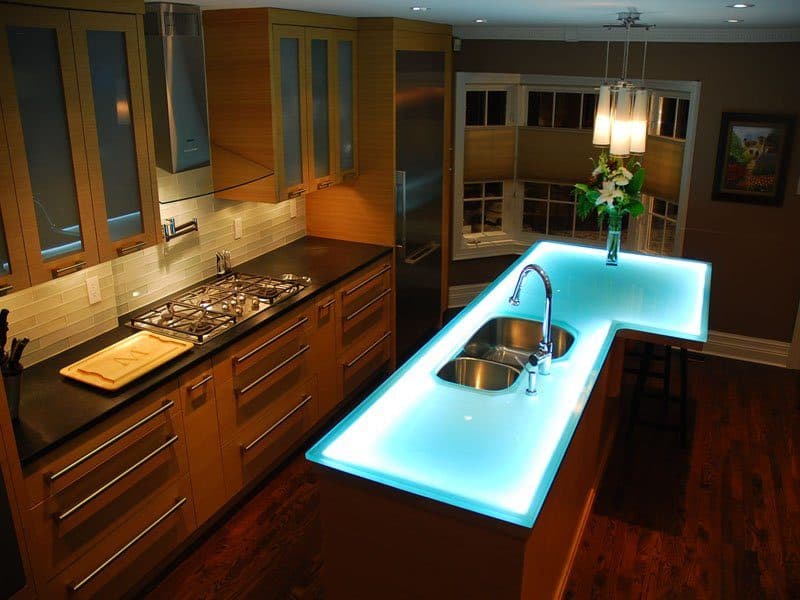
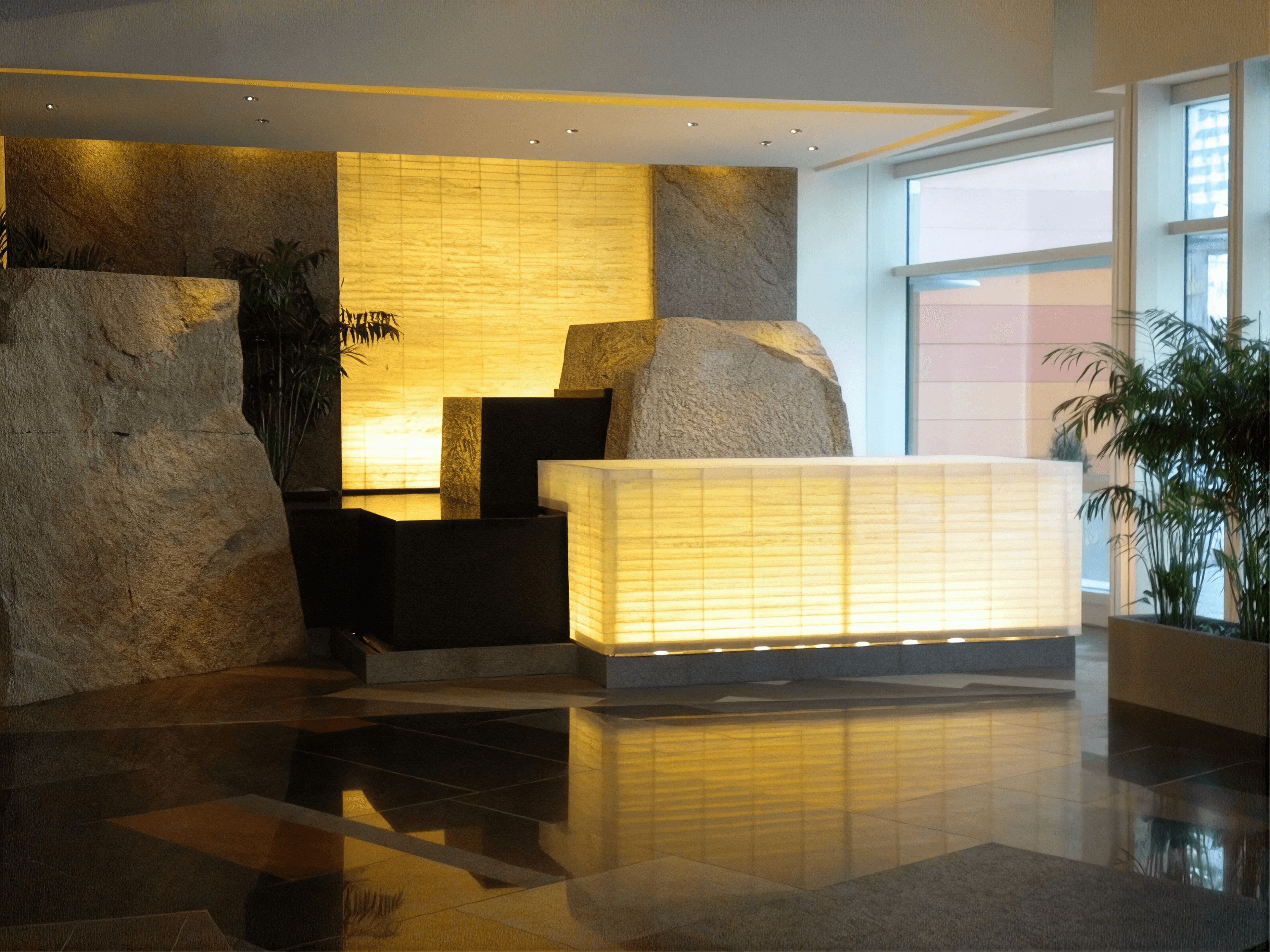
Regular glass can tolerate temperatures up to 150°F. For a more realistic reference, gently warm food is usually close to 150°F. But you expect your kitchen countertop to have greater heat tolerance or resistance. If it cracks as soon as you put a hot pan straight from the oven on top of it, that would be disappointing.
But then why are glass countertops gaining so much popularity in modern homes? Is there any specific glass that is strong enough to be in your kitchen? Luckily, today we are addressing all of these doubts one by one.
So stay with us, as we discover how glass countertops can be turned kitchen-friendly and how you are supposed to protect them from damage. If you are in, let’s get rolling.
Glass As A Kitchen Countertop Material- How Safe Is It Actually?
If 150°F is the maximum heat glass can tolerate, we can’t assume it to be a good fit for the kitchen.
Since glass is less flexible than wood or quartz, it can easily crack in contact with medium heat on its surface. So, regular glass is a big No.
Today, people modify glass to enhance its heat resistance. The final product is called Tempered Glass. And you will be surprised that tempered glass is more heat-resistant than marble or quartz.
How Glass Countertops Are Made Heat-Resistant
Heat treatment is the answer. A regular glass with a maximum heat tolerance of 150°F can withstand up to 500°F, all thanks to tempering. The original glass is heated in a furnace at 1150°F.
Such extreme heat is enough to change the inner structure of the glass. As the glass softens, air is immediately blown to cool it down. As the layers cool down at different rates, the surface gains a “compressive layer.”
This newly added layer protects the glass against sudden cracking. So, the tempered version is easily 5 times stronger than regular glass.
As we said earlier, the tempered glass is a pretty common countertop material even for a kitchen. But in case you want a realistic vision of how much heat tempered glass countertops can handle, here’s a small chart.
Kitchen Scenario
Approximate Temperature
Remarks (Glass Countertop POV)
Hot coffee mug
150-180°F
Safe
Baking pan from the oven
300-350°F
Safe
Sauté pan right from the stove
350-450°F
Safe
pot right off the extremely hot burner
500°F
Safe (but risk of thermal shock)
Cast iron skillet
600°F
Not safe
Unless you plan on putting extremely hot pizza pans, iron skillets, or broiler pans on top of the countertop without any heat pad underneath, glass countertops can withstand pretty much most things. You can definitely go for extra thickness to ensure the glass countertop doesn’t crack easily.
Let’s Compare: Tempered Glass vs Other Popular Materials
Glass countertops work fine in the kitchen. But how well do they handle heat in comparison to other popular countertop materials? That’s an interesting question. Let’s compare each material’s max heat resistance side by side.
Material
Max Heat Tolerance
Regular Glass
150°F
Quartz (engineered stone)
150°F
laminate
150°F
Butcher Bock
200°F
Marble
300°F
Tempered Glass
500°F
Stainless Steel
1100°F
Granite
1200°F
As you can see, the most common countertop materials have lower heat resistance in comparison to tempered glass. Materials like quartz or laminate showcase the risk of damage if the heat goes beyond the 200°F threshold.
While stainless steel can hold its state up to 1100°F, it’s a commercial-grade material and is usually used in a restaurant kitchen. Its industrial look might not go with your home’s aesthetic.
In that sense, tempered glass can balance both the aesthetics and strength.
Thermal Shock - The Villain You Need To Save Glass Countertops From
Just because glass countertops can withstand 500°F doesn’t mean you should put smoking hot pans right from the oven on top of them. More than heat resistance, it’s the thermal shock you should be worrying about.
A glass countertop that stays under sunlight all day might survive under 550°F heat. But a cold glass surface suddenly exposed to extreme heat will at least show some sort of damage. It’s called thermal shock.
When the temperature change is too sudden and too drastic, the surface layer cracks or scorches.
Here’s how you protect your glass countertops from thermal shock:
Keep a bunch of heat pads near the countertop. Place the smoking hot pan on the pad or trivet to avoid direct transfer of heat.
Let the food cool down for a minute before placing it on the counter.
You can also use a landing station near the stove made of natural stone.
Another tip is to change the temperature slowly or evenly. Suppose you are kneading warm cookie dough on the countertop. Right after you are done, don’t pour freezing cold water on it for clean-up. The sudden transfer from hot to cold might cause minor chips or cracks that you will notice later.
Bottom Line
Granite countertops give you the basic 70s-80s kitchen vibe, while stainless steel is not interesting enough. Since most houses today have an open kitchen that you can see from the living room, it’s better to have something that aligns with the fancy interior of other rooms. Tempered glass is an amazing option in that sense.
Plus, these glass countertops are strong enough to support your daily kitchen activities. Just make sure you take the precautions mentioned above to protect your countertops against thermal shock. And let this cool, “icy” slab of glass turn your everyday kitchen more interesting.
Start a Project
Have a Project in Mind?
Share your ideas, drawings or inspiration, and our team will help you explore what is possible.